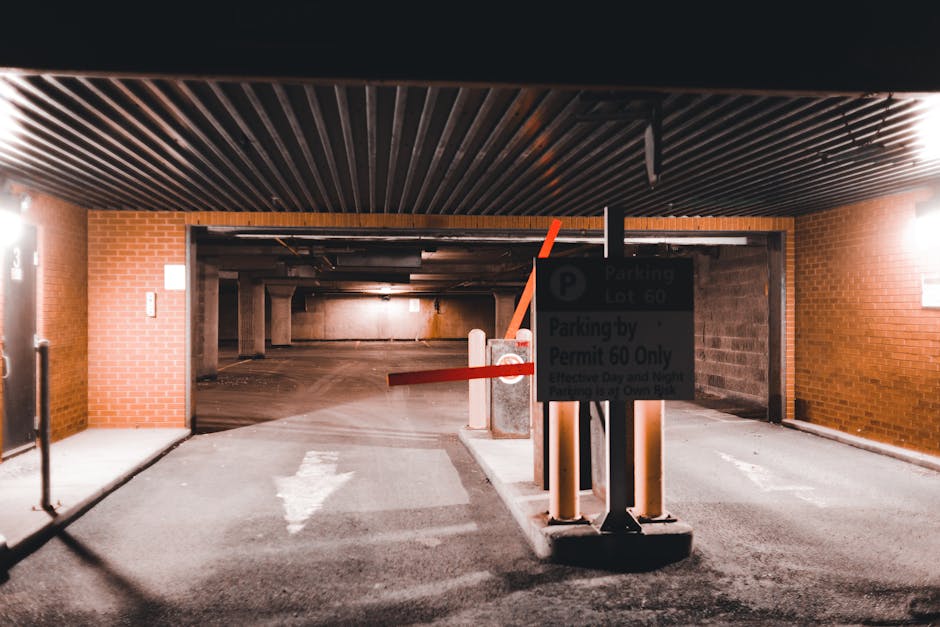
Lambeth Council parking permits for removals explained
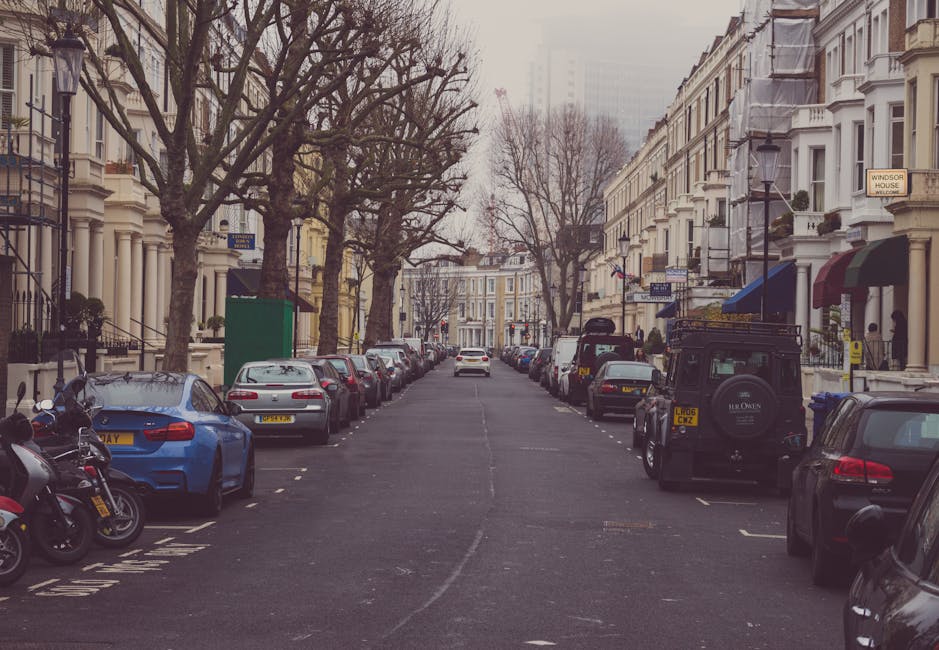
If you are moving house, flat, or office in Lambeth, parking can become the detail that quietly makes or breaks the day. Streets are tight, bays disappear fast, and one missed permit can mean delays, extra walking, or a van circling the block while everyone gets increasingly fed up. This guide to Lambeth Council parking permits for removals explained breaks the process down in plain English, so you know what to expect, what to check, and how to avoid the classic moving-day headache.
We will cover how removal parking permissions usually work, why they matter, who needs them, and the practical steps that save time on the day. You will also find a comparison table, a real-world scenario, a checklist, and a set of FAQs for the questions people ask most often. No fluff. Just the bits that genuinely help.
Why Lambeth Council parking permits for removals explained Matters
Parking is often treated as a small admin task right up until it becomes the biggest source of friction on move day. In Lambeth, that is not hard to imagine. Think of a narrow street in Brixton, a busy road near Clapham, or a residential block where every space already seems spoken for. If the van cannot stop close enough, loading takes longer, furniture gets carried further, and stress rises quickly.
That is why removal-related parking permissions matter so much. They help create a controlled space for your van, reduce the risk of obstruction, and make it easier for the crew to work safely. They can also help you avoid the awkward moment where a neighbour, parking warden, or traffic officer asks what is going on and nobody has a clear answer. Not ideal, to be fair.
For many moves, the permit question is not about bureaucracy for its own sake. It is about whether your move runs smoothly or turns into a long, tiring shuffle up and down the road. If you are arranging a bigger move, it often makes sense to look at the wider logistics too, such as removal services in South Lambeth or a tailored house removals service where parking and access are considered early.
There is also a cost angle. Delays can mean longer labour time, more vehicle movement, and a more tiring day for everyone involved. Nobody wants to pay for avoidable faffing around. You want a clean move, a sensible plan, and no drama at 8:15 in the morning while boxes are waiting on the pavement.
How Lambeth Council parking permits for removals explained Works
In simple terms, a removals parking permit or dispensation is the arrangement that allows a vehicle to stop in a place where parking would normally be restricted, or where special permission is required. The exact wording and process can vary by street, bay type, and local restrictions, so it is always worth checking the specific details for the address you are moving from or to.
Usually, the process starts with identifying the parking situation outside the property. Is there a residents' bay, pay-and-display bay, single yellow line, loading bay, or a space that is already controlled by restrictions? That one question changes everything. If you are not sure, it is worth reviewing the road at the same time of day as your move. Morning looks very different from late afternoon.
Then comes the practical bit: deciding whether the move needs a permit, a suspension, or just careful timing and loading. For some properties, a short stop for loading is enough. For others, especially on tighter streets, you may need a more formal arrangement. If the move is especially time-sensitive, some people also pair parking planning with a service such as same day removals in South Lambeth so the whole schedule stays tight.
The important thing is not to assume. A van may be able to stop briefly without issue in one location, while another street just a few minutes away may need something more structured. That's London for you. Same borough, very different rules of the road.
In practice, removal parking plans tend to work best when they are treated as part of the move booking, not as an afterthought. If you are already discussing timings, packing, or access with the team, include parking early. It saves the "oh no, we forgot the street restrictions" moment later on.
Key Benefits and Practical Advantages
Getting the parking side of a removal sorted properly offers more than just peace of mind. It often changes the whole feel of the day. Here are the main benefits.
- Closer access to the property: Less carrying, fewer trips, and a lower chance of damage.
- Smoother loading and unloading: The crew can work more efficiently when the van is positioned sensibly.
- Less risk of penalties or disputes: A clear arrangement reduces the chances of an unwanted interruption.
- Better timing control: When parking is planned, the move is less likely to drift.
- Lower stress for everyone: You are not trying to solve access problems while boxes are already on the pavement.
There is also a hidden benefit people often miss: better parking can protect the mood of the entire move. When the van is near the door, it feels like progress. When the van is half a street away, everything feels longer. Human beings are funny like that, but it matters.
If your move involves awkward furniture, fragile items, or a heavier load, access becomes even more important. For example, a piano, bulky wardrobe, or tightly packed flat move will be far easier when the vehicle can stop in the right place. You may also want to think about specialist services such as piano removals in South Lambeth or furniture removals where access planning matters from the outset.
Who This Is For and When It Makes Sense
Not every move needs the same level of parking planning. But in Lambeth, a lot more people need it than they first expect.
This topic matters most if you are:
- moving from a flat on a busy street;
- living in a controlled parking zone;
- moving on a road with limited kerb space;
- arranging a larger house move with more than one van load;
- moving office or business equipment;
- dealing with a short timeframe or strict access window;
- planning a student move with shared access and awkward lift timings.
Students, in particular, often underestimate how tricky parking can be. A second-floor flat, a narrow stairwell, and a van parked too far away is not a great combination. If that sounds familiar, a page like student removals in South Lambeth may be useful because the access issue is usually part of the moving picture, not separate from it.
It also makes sense to think about permits if you are moving in or around areas with heavier traffic flow, such as station roads, busier high streets, or terraces where vans have limited stopping options. In these situations, even a short delay in finding space can ripple through the rest of the move.
Truth be told, if you are looking at the street outside and thinking, "Where on earth is a van meant to go here?", that is your sign to get parking sorted early.
Step-by-Step Guidance
Here is the straightforward way to handle removal parking planning without turning it into a project of its own.
- Check the road outside both properties. Look for bays, yellow lines, loading restrictions, and resident permit zones. Check both the old address and the new one if possible.
- Measure the practical space. Ask yourself whether a van can stop close enough to load safely without blocking access for too long.
- Decide whether special permission is needed. If the road is restricted, busy, or heavily controlled, assume extra planning may be required.
- Match the timing to the move. Morning, school-run time, and commuter hours can all affect availability. Timing matters more than people think.
- Book the move with parking in mind. Tell your removals team about access constraints early so they can plan vehicle size, arrival time, and loading order.
- Prepare the property for fast loading. Boxes should be ready, hallways cleared, and the path to the van as short as possible.
- Keep an eye on last-minute changes. Roadworks, neighbour parking, and weather can all shift the plan. London does enjoy a surprise, unfortunately.
A good habit is to think in terms of "arrival, stopping point, loading route, exit." If you can visualise those four steps, you are already ahead of the game.
If you are booking a flexible service, it can also help to align the parking plan with your move window. A useful example is delivery at the best time for you, because the best slot is often the one that avoids peak parking pressure, not just the one that looks convenient on paper.
Expert Tips for Better Results
After enough removals, a few patterns become obvious. The moves that go best are usually the ones that were prepared for access problems before they became problems.
- Plan for the longest item first. Sofas, wardrobes, mattresses, and table tops are what usually slow things down near the van.
- Keep the first load accessible. If the van is parked legally but awkwardly, the first few boxes should be the easiest to carry.
- Use a second person to watch the street. Not glamorous, but helpful. One person can keep an eye on pedestrians, neighbour cars, or any sudden space change.
- Do not leave parking to the morning of the move. That is the classic mistake. It often works out fine right up until it doesn't.
- Tell the crew about lifts, stairs, and entry codes. Access is not just about parking. It is the whole path.
If you are moving into storage or staging items before the final move, the access plan should still be treated seriously. Services such as storage in South Lambeth can benefit from the same level of thought, especially when loading bays or roadside space are limited.
One small but useful tip: if the street is narrow, try to keep your packaging neat and your labels visible. It sounds minor, but when the team can identify what goes where quickly, the van spends less time with its doors open. That matters more than you might think on a cold, drizzly London morning.
Common Mistakes to Avoid
Most problems with removal parking are avoidable. The trouble is, they are easy to overlook when you are juggling keys, boxes, cleaners, and a hundred little tasks at once.
- Assuming a van can always "just pull up". Sometimes it can. Sometimes the road says otherwise.
- Forgetting that the old and new address may have different restrictions. This catches people out all the time.
- Leaving permit checks until the night before. That can turn a simple arrangement into a rushed one.
- Not accounting for neighbours' cars. A free bay in the morning may not stay free for long.
- Booking a move without discussing access. The removals team needs the parking picture, not just the postcode.
- Underestimating how long loading will take. If the van has to move mid-load, everything gets slower.
Sometimes the error is simple: people focus on the boxes and forget the street. But the street is part of the move. Probably the most annoying part, if we are honest.
If you want to avoid the financial side of mistakes too, it is worth reading about avoiding hidden charges with South Lambeth removals. Parking issues and surprise costs often show up together, which is never a coincidence.
Tools, Resources and Recommendations
You do not need a mountain of tools to get this right, but a few practical resources make life easier.
- A notebook or phone notes app: Keep restrictions, timings, and access details in one place.
- Street photos: A quick photo of both addresses can help when discussing access with a removals team.
- Estate or building instructions: If your block has loading rules, read them before move day, not after.
- Packaging materials: Clear labelling makes loading faster and reduces time at the kerb.
For many people, the best practical resource is simply a removals company that understands local streets and timing pressure. That is where a local service can really help, especially if you need a man with van in South Lambeth who is used to tight roads and awkward loading spots.
And if you are still in the planning stage, a broader services overview can help you see how parking, packing, storage, and transport fit together as one move rather than separate jobs.
Law, Compliance, Standards, or Best Practice
Parking permissions are not just a convenience issue. They touch on compliance, access, and safety. The exact legal or council process can vary depending on the location, bay type, and street rules, so it is sensible to treat Lambeth-specific requirements carefully rather than assuming a one-size-fits-all approach.
As a best practice, you should always:
- check whether the street has controlled parking restrictions;
- confirm whether temporary stopping is allowed for loading;
- avoid blocking access routes, dropped kerbs, or emergency access points;
- keep the move as short and tidy as possible when occupying roadside space;
- make sure everyone involved knows the plan before the vehicle arrives.
From a safety point of view, parking also affects manual handling. The farther items need to be carried, the greater the strain and the higher the chance of a bump, scrape, or dropped box. That is why professional move planning is as much about logistics as it is about the vehicle itself. If you are curious about how a provider handles care on the day, insurance and safety is worth a look.
Best practice also means being realistic. If the road is too restricted for a standard stop, choose another approach rather than trying to force the issue. Sometimes a slightly earlier start, a smaller vehicle, or an adapted loading plan is the smarter move. Not as glamorous, but better.
Options, Methods, or Comparison Table
There are usually a few ways to manage removal parking. The right choice depends on your street, your timing, and how much access you need.
| Option | Best for | Advantages | Limitations |
|---|---|---|---|
| Standard roadside loading | Low-traffic streets with enough space | Simple, fast, often minimal planning | Not suitable where restrictions are strict or space is scarce |
| Parking permit or dispensation | Controlled streets and formal parking zones | Clearer access and less risk of disruption | Requires advance planning and accurate details |
| Timed move outside busy periods | Streets with commuter pressure | Can reduce parking conflict without special arrangements | Timing has to be managed carefully |
| Smaller vehicle or split load | Very tight streets or awkward access | More flexible, easier to position | May take longer overall |
In the real world, the best option is often a combination. For example, a smaller van plus early arrival plus ready-packed boxes can be much more effective than chasing a perfect parking setup that the street simply will not allow.
If your move is a smaller one, a service like man and van South Lambeth can be a practical middle ground. For larger family homes, house removals in South Lambeth may be more suitable because the parking and load plan can be built around the full inventory.
Case Study or Real-World Example
Picture a typical Saturday move in a Lambeth side street. The property is a third-floor flat, the road is lined with parked cars, and the lift in the building is small enough to be more of a suggestion than a solution. The client has packed well, but the van cannot sit outside the door because the nearest space is already taken.
At first, it looks manageable. Then the first wardrobe panel has to be carried fifty metres farther than expected. Then another resident returns and starts waiting for the same space. The team is still working, but the pace drops. By mid-morning, everyone feels it.
Now imagine the same move with better parking planning. The van arrives at the agreed time, access is considered early, and the loading route is clear. Boxes go on first, furniture follows, and the whole move keeps momentum. Nothing magical, just good planning. That is usually the difference.
I remember one move where the client had everything boxed beautifully but had not thought through the loading side. We fixed it by changing the arrival timing and using a different parking approach. It still went fine in the end. Slightly sweaty, yes, but fine. And that is often the point: good advice does not need to be dramatic, it just needs to prevent avoidable friction.
Practical Checklist
Use this before moving day. It is basic, but honestly, the basics are what save the day.
- Check the parking restrictions at both addresses.
- Confirm whether loading is allowed where the van will stop.
- Tell the removals team about narrow roads, bays, or access limits.
- Plan the move outside the busiest traffic periods if you can.
- Keep boxes labelled and grouped by room.
- Clear hallways, entrances, and the path to the van.
- Have keys, codes, and contact numbers ready.
- Prepare for weather, because London weather enjoys a bit of theatre.
- Decide in advance who will handle last-minute parking changes.
- Allow extra time for the unexpected. There is almost always something.
Expert summary: the smoother the parking plan, the smoother the entire move. It is rarely the glamorous part, but it is often the part that keeps everything else on track. If you get this right, you will notice the day feels calmer from the first box to the last kettle.
Get a free quote today and see how much you can save.
Conclusion
Lambeth Council parking permits for removals explained in simple terms comes down to one idea: plan the vehicle access before the moving van arrives. When you know the street rules, prepare for tight spaces, and build the parking plan into the move itself, everything becomes more manageable. Less wandering. Less waiting. Fewer surprises.
It is easy to underestimate this part because it feels like admin. But admin is often where moves are won or lost. A good parking setup supports safer lifting, quicker loading, and a calmer day overall. And in a borough like Lambeth, calm is worth quite a lot.
If you are still comparing move options, it can help to look at services that understand local access conditions and the realities of London streets. That way, your move is not just booked, it is genuinely planned. Small difference. Big relief.
Take the time to get the access right, and the rest of the move has a much better chance of flowing properly. That is the sort of boring win you will be glad you made.
Frequently Asked Questions
Do I always need a parking permit for removals in Lambeth?
Not always. It depends on the street, the type of bay, local restrictions, and how long the van needs to stop. Some moves only need a brief loading arrangement, while others need more formal permission.
How far in advance should I check parking for a move?
As early as possible. Ideally, do it while you are booking the move so access can be factored in before the date is fixed. Waiting until the last day is where people get caught out.
What happens if my van cannot park close to the property?
The move can still happen, but it usually takes longer and involves more carrying. That can increase physical strain and may affect timing. A better access plan usually saves more effort than it takes to arrange.
Can a removals company help me work out parking?
Yes. A local removals team will often be used to tight streets, loading challenges, and timing issues. It is worth giving them the road details early so they can suggest the best setup.
What if there is already a car in the space I need?
That is one of the most common problems. If the space is controlled or likely to fill up, you may need to plan around it or choose a different loading approach. Assume the space will not stay empty unless you have a reason to believe otherwise.
Are parking permits the same for flats and houses?
No, not necessarily. The access problem can be very different depending on whether you are in a block of flats, a terrace, or a house with direct street access. Flats often need more careful planning because of lifts, stairs, and shared parking space.
What is the biggest mistake people make with removals parking?
Probably assuming the van can just stop wherever it is most convenient. Streets in Lambeth can be highly restricted, and a good-looking parking spot in theory may not be workable in reality.
How can I make loading faster if parking is tight?
Pack everything in advance, label boxes clearly, keep hallways clear, and make sure the first items out are easy to reach. Even small gains help when the vehicle is not directly outside.
Is timing really that important for parking?
Yes, very much so. A street that is manageable at 7 a.m. might be difficult at 9 a.m. or during school-run times. Timing can make the difference between a smooth stop and a frustrating delay.
Should I mention parking issues when asking for a quote?
Absolutely. It helps the removals team give you a more accurate plan and, in some cases, a more accurate price. Access details are part of the job, not a side note.
Can parking problems affect the cost of a move?
They can. If parking makes loading slower or forces longer carrying distances, it may affect labour time and the overall flow of the move. That is why clear access information is so valuable from the start.
What is the simplest way to avoid parking stress on moving day?
Check the road early, tell your removals team everything relevant, and keep the packing side organised so the van can be loaded efficiently. It sounds basic because it is basic. And basic, done well, is brilliant.
Where should I go next if I want help with a Lambeth move?
Start by reviewing the move details, access conditions, and the type of service you need. If the move is time-sensitive or the parking looks tricky, speak to a local removals provider and build the parking plan into the booking from the beginning.